Radon Mitigation Upgrades in Edina, Bloomington, Eden Prairie, Chanhassen & Chaska
If your home has a passive radon mitigation system, it may not be providing the level of protection your family needs.
Many homes in the Twin Cities were built with passive radon systems — a pipe installed through the home without a fan. While these systems are intended to reduce radon levels, they often don’t lower radon concentrations enough to meet safe levels.
The good news is that upgrading a passive system to an active radon mitigation system is typically simple, affordable, and highly effective.
What Is a Passive Radon Mitigation System?
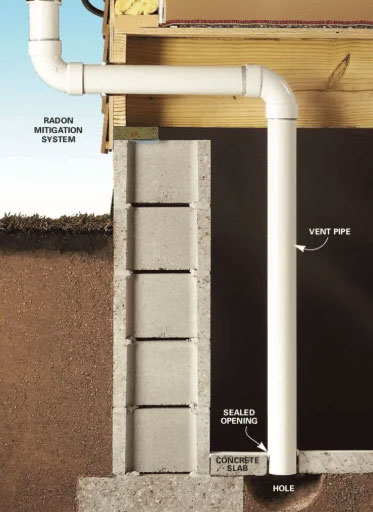
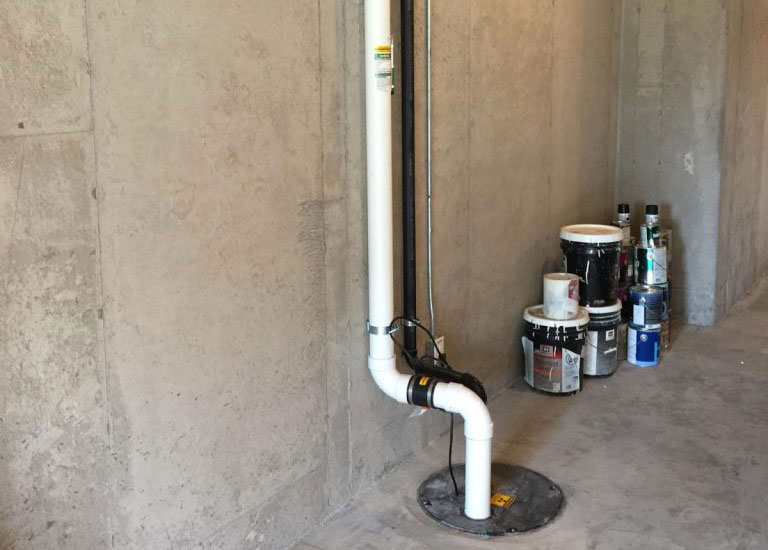
A passive radon system usually includes:
- A vertical PVC pipe running from below the basement slab
- The pipe venting through the roof
- No fan or mechanical system
Passive systems rely only on natural airflow and pressure differences to move radon gas out of the home.
Unfortunately, in many homes this isn’t enough to keep radon levels below the EPA recommended action level of 4.0 pCi/L.
Many homeowners discover this after performing a radon test.
What Is an Active Radon Mitigation System?
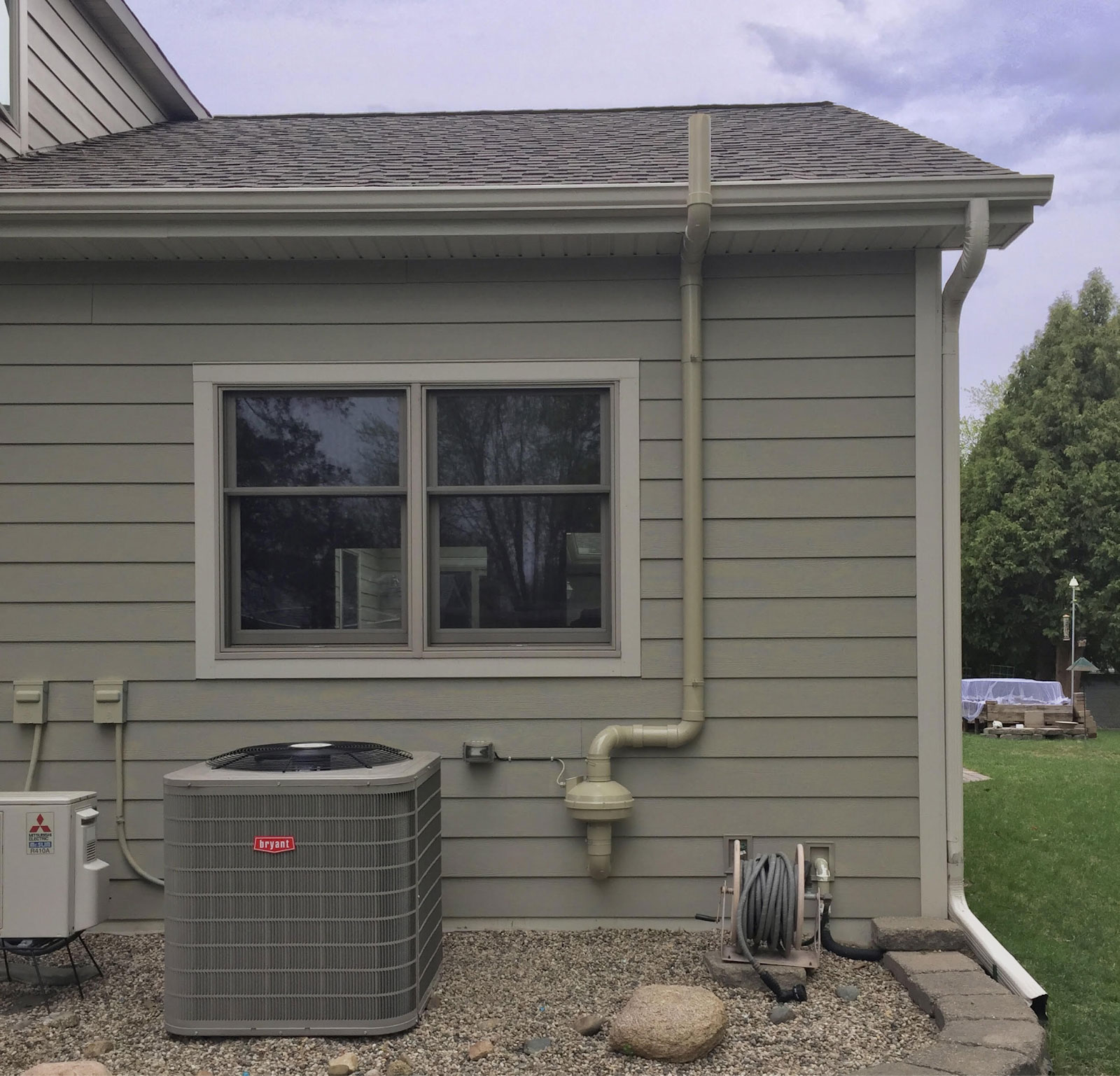
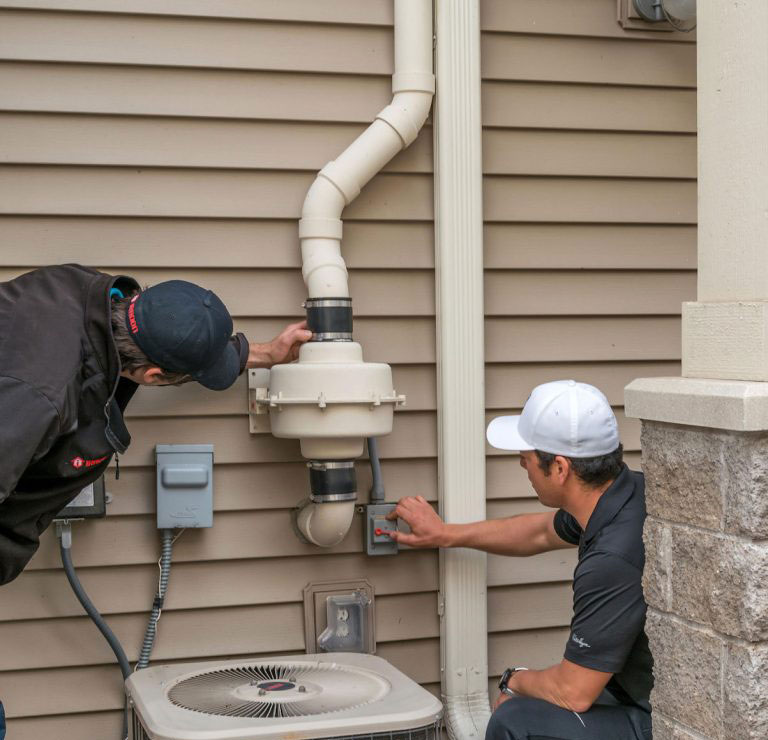
An active radon mitigation system adds a radon fan to the existing pipe system.
The fan continuously pulls radon gas from beneath the foundation and vents it safely above the roofline.
Benefits include:
- Dramatically lower radon levels
- Consistent system performance
- Proven EPA-recommended mitigation method
- Increased peace of mind for your family
In most cases, converting a passive system to active is the most effective radon reduction solution available.
Signs Your Passive Radon System Needs an Upgrade
You may want to convert your system to active if:
- A radon test shows levels above 4.0 pCi/L
- Your home was built with a passive radon pipe but no fan installed
- Radon levels fluctuate during different seasons
- You’re buying or selling a home and radon levels test high
- You want a more reliable long-term solution
Many homes in Edina, Bloomington, Eden Prairie, Chanhassen, and Chaska were constructed with passive systems that benefit greatly from a simple fan upgrade.
Our Passive-to-Active Radon System Conversion Process
Upgrading your system is usually a quick and straightforward process.
- System Inspection
We inspect the existing passive radon pipe and foundation conditions. - Radon Fan Installation
A professional-grade radon fan is installed inline with the existing system. - Electrical Connection
The fan is safely wired to a dedicated power source. - System Optimization
We ensure the system is pulling the correct airflow for effective radon reduction. - Post-Mitigation Testing
We recommend a follow-up radon test to confirm improved levels.
Most passive-to-active conversions can be completed in just a few hours.

Why Upgrade to an Active Radon System?
Radon is the second leading cause of lung cancer in the United States, according to the EPA.
Minnesota homes often have elevated radon levels due to regional soil conditions.
Upgrading to an active radon system helps:
- Protect your family’s health
- Ensure safer indoor air quality
- Meet home inspection requirements during real
- Provide long-term radon reduction
estate transactions
For many homes in the Twin Cities, installing a radon fan is the most cost-effective improvement you can make to your radon system.
Serving the Southwest Twin Cities
We provide passive radon system upgrades throughout:
Edina
Many homes in Edina were built with passive radon venting systems. We help homeowners convert these systems to active mitigation for safer indoor air.
Bloomington
If your Bloomington home has a passive radon pipe but still tests high for radon, adding a fan can significantly improve performance.
Eden Prairie
Homes in Eden Prairie often benefit from upgrading passive systems to active radon mitigation.
Chanhassen
Our team regularly installs radon fan upgrades for homeowners throughout Chanhassen.
Chaska
We provide fast, professional passive-to-active radon system conversions for homes in Chaska and surrounding communities.
Schedule a Radon System Upgrade
If your home has a passive radon mitigation system, upgrading to an active system can dramatically improve radon reduction.
Contact us today to schedule an inspection or get a quote for converting your passive radon system.
Call today or request an estimate online.
Get a Free Quote
Frequently Asked Questions
Is upgrading a passive radon system expensive?
In most cases, converting a passive system to active is significantly less expensive than installing a completely new mitigation system.
How long does installation take?
Most upgrades can be completed in a few hours.
Will the fan be noisy?
Radon mitigation fans are designed to be very quiet and are typically installed outside the living space.
Do I need to test radon again after installation?
Yes. A follow-up radon test is recommended to confirm the system is effectively reducing radon levels.
Protect Your Home From Radon
If you live in Edina, Bloomington, Eden Prairie, Chanhassen, or Chaska and your home has a passive radon mitigation system, upgrading to an active system can provide safer indoor air and greater peace of mind.
Contact us today to schedule your passive radon system conversion.